


Newsletter: Lughnasadh 2026


Jump to a Section
Feeding the Village: Lughnasadh's Shared Abundance
If you've spent any time on social media around Lughnasadh, you've probably seen the familiar imagery: overflowing baskets of apples, perfectly browned loaves of bread, elaborate harvest altars worthy of a museum exhibit, and enough dried wheat bundled into decorative sheaves to make a scarecrow blush. They're beautiful, to be sure. But if we're not careful, it's easy to mistake the aesthetic of harvest for the purpose of harvest.
Lughnasadh was never simply about displaying abundance. It was about ensuring the community survived because abundance was shared.
One of the most compelling aspects of ancient harvest festivals is how profoundly communal they were. The festival of Lughnasadh, traditionally celebrated around the beginning of August and associated with the Irish god Lugh and the commemorative games honoring his foster mother, Tailtiu, brought people together from surrounding regions for athletic contests, markets, storytelling, legal proceedings, matchmaking, music, trade, and feasting. It was as much a civic gathering as it was a religious one. Harvest, after all, was never just agriculture; it was the foundation upon which an entire society rested.

This makes perfect sense when we remember that grain has always been a remarkably democratic crop. No matter how wealthy one household might have been, no one could negotiate with a failed harvest. Bread, unlike gold, cannot simply be admired from a shelf. It exists to be broken, shared, and eaten.
The first harvest represented both celebration and uncertainty. There was enough to rejoice over, but there were still weeks of labor ahead before the final harvests were secured. Communities understood that prosperity wasn't measured solely by how full one family's granary happened to be. Prosperity was measured by whether the village, as a whole, would make it through the winter.
That distinction feels surprisingly relevant today.
Modern culture often treats abundance as something to accumulate and display. We measure success by what we individually own, collect, or consume. Even our celebrations can drift toward performances of personal prosperity—tables groaning beneath more food than anyone could reasonably eat, carefully curated social media photographs, or the subtle pressure to make every holiday "Pinterest worthy." There is certainly nothing wrong with enjoying beauty or celebrating a successful harvest. Witches have always understood that aesthetics carry their own magic.
But somewhere along the way we've become remarkably good at celebrating abundance while forgetting one of abundance's primary responsibilities: to circulate.
The old harvest festivals remind us that food has always been social magic.
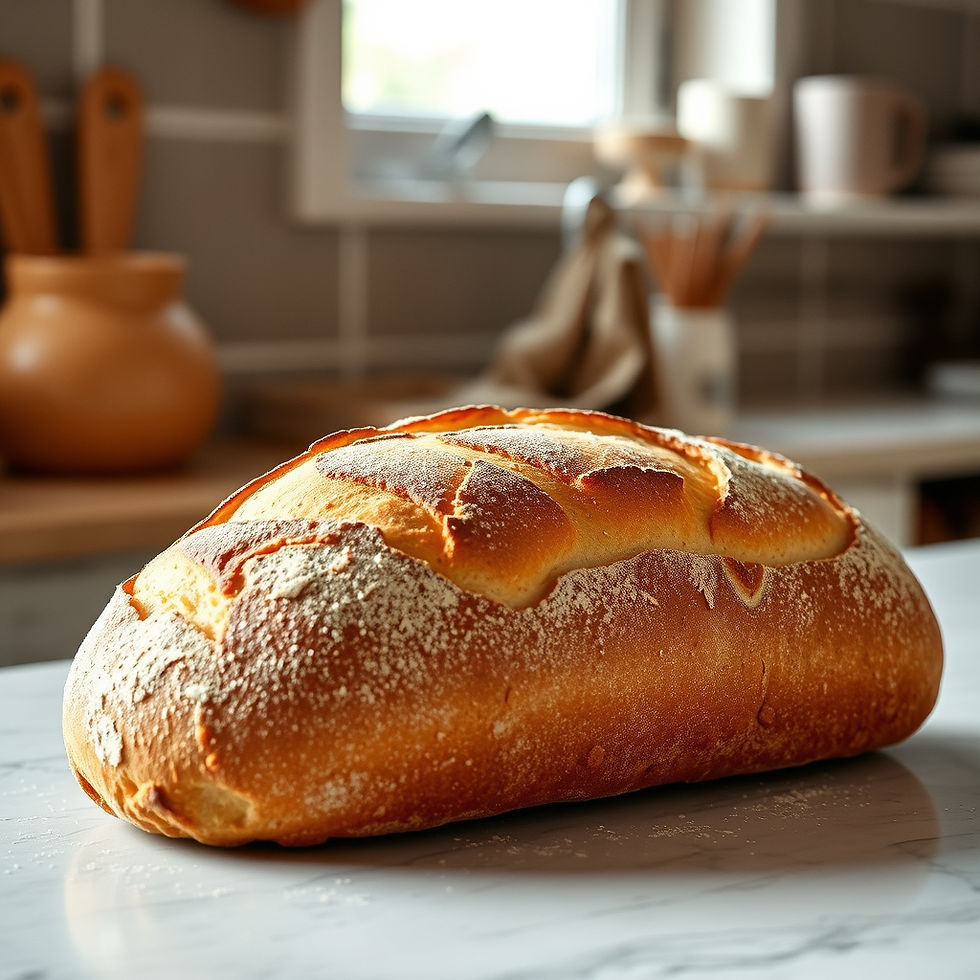
Consider the humble loaf of bread. Before it reaches your table, it represents the labor of farmers, seed keepers, millers, bakers, truck drivers, grocery workers, and countless others. Even if you bake your own sourdough from scratch, chances are someone preserved the grain variety, someone maintained the roads you traveled, someone designed the tools you used, and someone taught the skills that made baking possible. The loaf itself is already a community project.
Lughnasadh simply asks us to acknowledge that truth more intentionally.
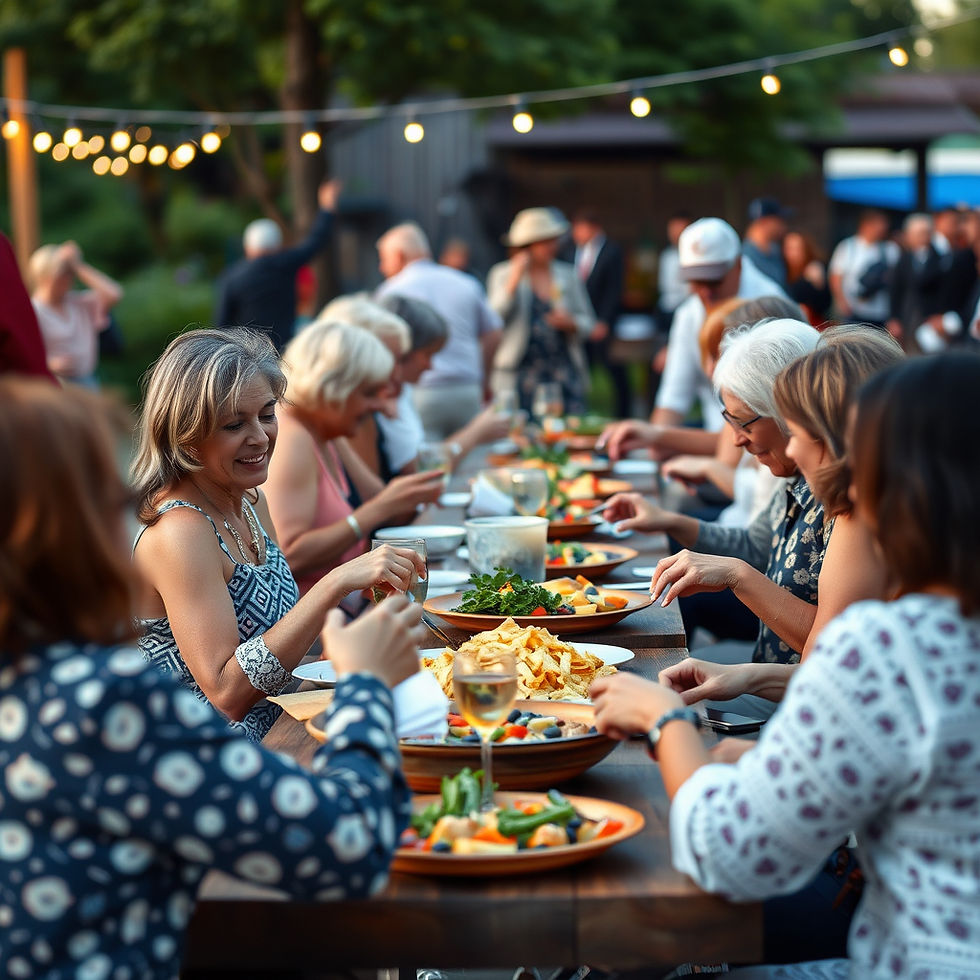
Anthropologists often note that feasting serves an important social function. Shared meals strengthen relationships, reaffirm obligations, redistribute resources, and reinforce a community's identity. Eating together isn't merely pleasant—it is one of humanity's oldest technologies for building trust.
Perhaps this is why nearly every culture developed harvest festivals that emphasized communal meals. Across time and geography, people repeatedly arrived at the same conclusion: when uncertainty looms, the answer is not isolation but togetherness.
This wisdom offers an intriguing challenge for contemporary pagan practice.
Many of us build beautiful personal rituals, maintain meaningful altars, and carefully observe the Wheel of the Year within our own homes. These are valuable spiritual practices. Yet Lughnasadh gently nudges us to ask a more uncomfortable question: who benefits from our abundance besides ourselves?
Fortunately, answering that question doesn't require grand gestures.
Perhaps your Lughnasadh celebration includes baking bread. Consider making two loaves instead of one and sharing the second with a neighbor, an elderly relative, or someone experiencing a difficult season.
If you've harvested more tomatoes, zucchini, or herbs than your household can possibly use—a nearly inevitable consequence of planting zucchini with unchecked optimism—consider donating the excess to a local food pantry or community refrigerator.
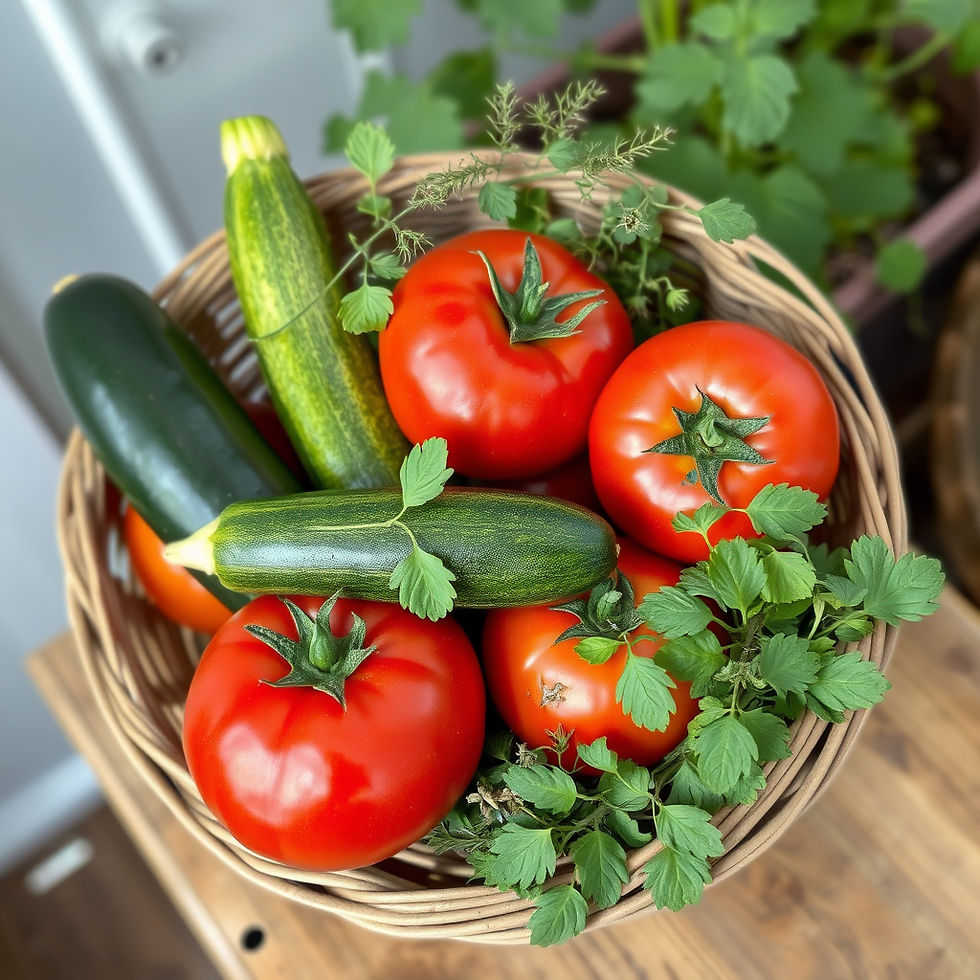
Community gardens offer another beautiful expression of Lughnasadh's spirit. These spaces transform individual effort into shared nourishment while creating opportunities for neighbors who might otherwise never meet. The simple act of tending adjacent garden beds often grows conversations every bit as valuable as the vegetables themselves.
Seed libraries embody this philosophy as well. Unlike many modern transactions, seed sharing is built on reciprocity rather than scarcity. Gardeners borrow seeds, cultivate them, save new seeds, and return them for others to plant. It is one of the loveliest examples of abundance increasing through generosity rather than diminishing because of it.
Mutual aid follows the same pattern.
At its heart, mutual aid recognizes that communities become more resilient when people contribute according to their abilities and receive support according to their needs. Sometimes that support is food. Sometimes it's transportation, childcare, clothing, books, or simply time. The point is not charity bestowed from above, but neighbors caring for neighbors because everyone's well-being is interconnected.
This vision feels remarkably compatible with the older worldview reflected in harvest festivals. The village survived because people understood that individual fortunes were never entirely individual. Today's healthy household might require tomorrow's helping hand. Generosity wasn't merely virtuous; it was practical.
Perhaps that is the deepest lesson Lughnasadh still offers us.
The harvest is never truly ours alone.
Every tomato ripened because pollinators visited blossoms we did not personally coax. Every loaf depends upon centuries of accumulated agricultural knowledge. Every thriving community rests upon countless acts of care that rarely receive recognition.
Our ancestors gathered not simply to admire what had grown, but to reaffirm their commitment to one another before the challenges of winter arrived. They understood that the strongest granary was not necessarily the fullest one. It was the one surrounded by neighbors who believed no one should face hunger alone.
This Lughnasadh, as you light candles, bake bread, or decorate your altar with the first fruits of the season, consider adding one more offering to your practice.
Feed the village.
Not because you can solve every problem. Not because generosity guarantees abundance in return. But because every shared meal, every donated vegetable, every packet of saved seeds, every hour volunteered, and every act of mutual care quietly proclaims an ancient truth: the harvest has always belonged to all of us.
And that may be the most magical lesson of the season.
Lughnasadh Ritual: Blessing the Shared Table
Theme: Feeding the Village
Time: 15–20 minutes
Skill Level: Beginner
One of the most enduring lessons of Lughnasadh is that the harvest was never meant for one person alone. The first fruits of the season reminded our ancestors that prosperity only mattered if the entire community had enough to eat. This simple ritual honors that wisdom by blessing both our own abundance and the shared resources that nourish our neighbors.
You'll Need
A small loaf of bread (homemade or store-bought)
A candle (gold, yellow, orange, or white)
A bowl of water
A pinch of salt
A basket, reusable grocery bag, or box that will hold your donation
At least one item to give away after the ritual, such as:
Nonperishable food
Fresh produce from your garden
Seeds to donate to a seed library
Gardening supplies
A monetary donation designated for a local food pantry or mutual aid organization
A written commitment to volunteer your time
Prepare Your Space

Arrange the bread, candle, bowl of water, and salt on your altar or table. Place your donation basket nearby. If possible, include a few symbols of the season, such as wheat, herbs, sunflowers, apples, blackberries, or fresh vegetables.
Take a few slow breaths as you light the candle.
Say:
"The wheel turns, and the harvest begins.May gratitude fill this home,generosity guide these hands,and compassion nourish this community."
Bless the Bread
Hold the loaf in both hands.
Reflect on all the people whose work made this simple loaf possible.
Think of the farmers.
The seed keepers.
The millers.
The truck drivers.
The grocery workers.
The bakers.
The rain.
The soil.
The pollinators.
The countless hands and forces of nature that transformed a handful of grain into nourishment.
Then say:
"No harvest is gathered alone.No table is built by one pair of hands.I honor every person, creature,and living system that makes life possible."
Place the bread back upon the table.
Bless the Waters
Add the pinch of salt to the bowl of water.
Stir it three times clockwise.
Dip your fingers into the water and lightly sprinkle a few drops over your donation basket.
Say:
"May these gifts travel where they are needed.May they bring comfort without judgment, nourishment without shame,and hope without condition."
Make Your Offering
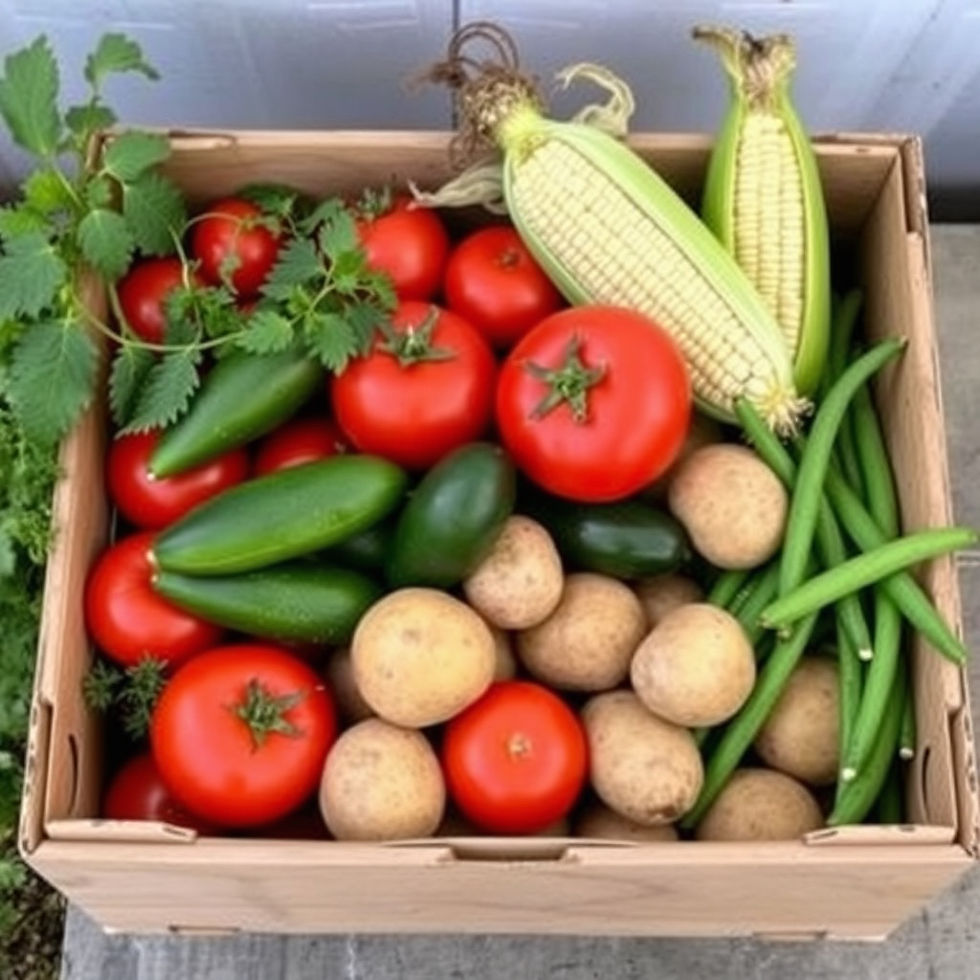
Place each donation item into the basket one at a time.
As you do, name a quality you hope to cultivate within your community.
Examples might include:
Kindness
Justice
Cooperation
Hospitality
Courage
Joy
Generosity
Belonging
If your offering is a promise of volunteer time or financial support, place a written note describing your commitment into the basket.
Share the Bread
Break off a small piece of the loaf and eat it slowly.
As you eat, remember that receiving nourishment is also sacred. Communities flourish when people are willing both to give and to receive care.
If you are celebrating with family or friends, invite everyone to share the loaf together.
Closing Blessing
Stand before your altar.
Raise your hands over the donation basket.
Say:
"May my table never close its doors.May my harvest strengthen more than myself.May every gift become a seed,every seed become abundance,and every act of kindness become another placewhere the village grows stronger."
Allow the candle to burn for a few more minutes, then extinguish it.
Within the next day or two, deliver your donation to a food pantry, community refrigerator, seed library, community garden, mutual aid group, or neighbor who could use a helping hand.
As you do, remember that the ritual does not end when the candle is extinguished.
It ends when the gift changes hands.
Lughnasadh Shadow Work: Feeding the Village
Lughnasadh reminds us that a harvest is never the work of one pair of hands. Reflect on your own relationship with abundance and community. Do you find it easier to give than to receive—or easier to receive than to ask what others need? Where has our culture encouraged you to see success as something to accumulate rather than share? Consider the gifts you possess that aren't measured in money—your time, knowledge, creativity, or compassion. How might offering one of these become an act of sacred reciprocity, strengthening not only another person's life, but your community as a whole?
Southern Hemisphere Shout Out

Sending bright blessings to our friends celebrating in the Southern Hemisphere! As Imbolc arrives, the light begins its gradual return to you. To help you mark the occasion, feel free to explore the information and activities in our previous Imbolc newsletter from its passage in the Northern Hemisphere. We hope it provides inspiration and helpful ideas for your seasonal celebrations!
Patreon Contributor Thanks
A huge shout-out to our ultimate MVPs, Steve D. and Anonymous! Your ongoing support for our podcast and other witchy media projects truly makes all of this possible. We appreciate you so much—thank you!
Calendar
01 August Lughnasadh
12 August New Moon (12:36pm CST)
27 August Full Sturgeon Moon (11:18pm CST)
10 September New Moon (10:26pm CST)
22 September Mabon


Comments